Scaling Healthy Change
Health Promotion Board
Healthcare
Mobile
Campaigns
Challenge
Singapore’s Health Promotion Board (HPB) wanted to embed Human-Centred Design (HCD) into how it creates and delivers national health initiatives. While the Customer Experience team was eager to adopt this shift, other internal teams had limited hands-on experience and were cautious about changing established ways of working.
Over 12 months, I partnered with HPB across four distinct programme teams to help them deepen public engagement and integrate HCD into their own processes:
iQuit → A national cessation programme supporting smokers and vapers
Youth Weight Management → Helping teens manage obesity amidst academic pressures
Parent Club → Enabling families to build and sustain healthier routines
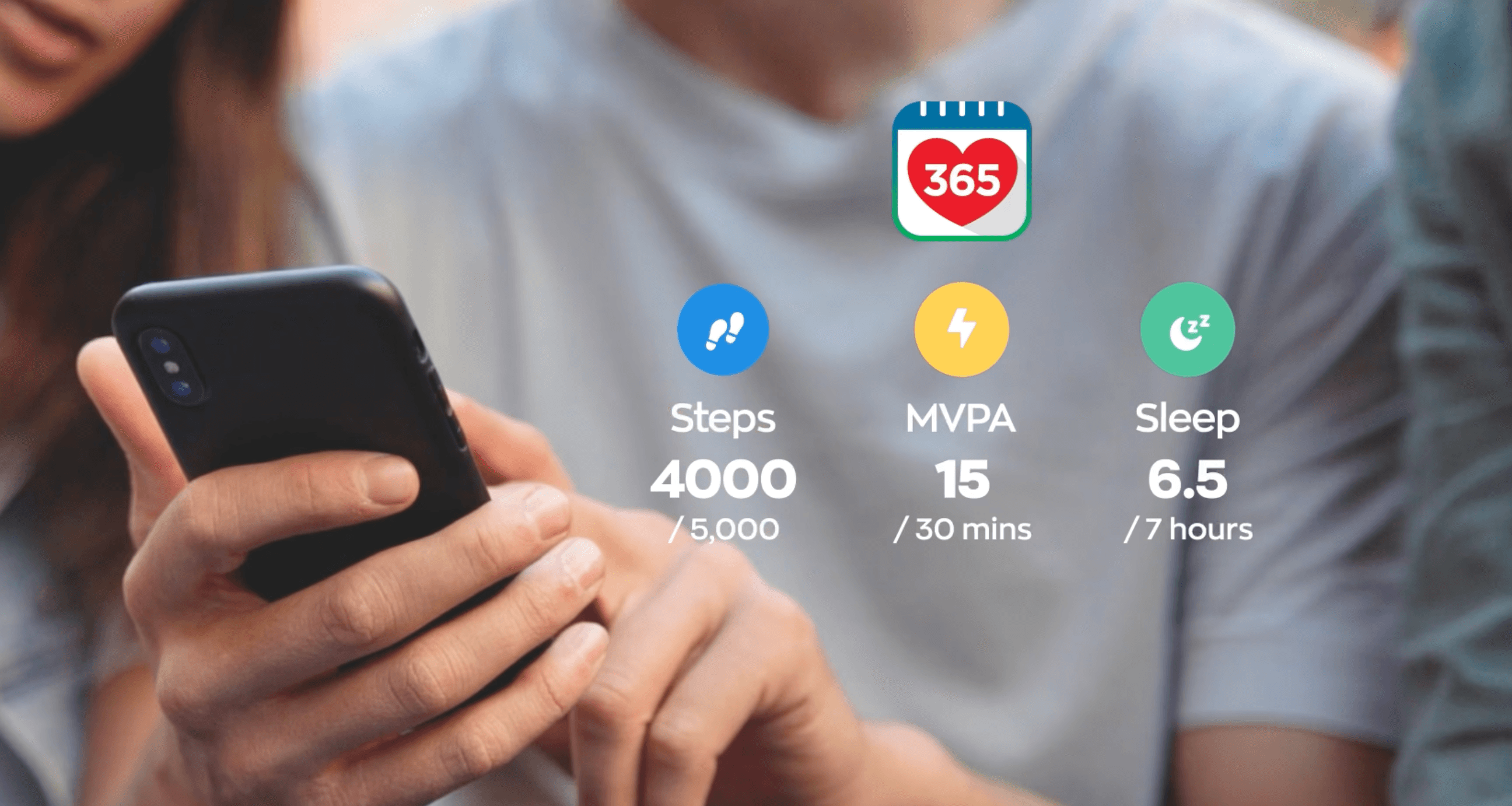
Integrated Programme → Connecting digital tools within the Healthy365 app to encourage healthier daily habits
My Role:
Lead UX Researcher
I partnered closely with the Chief Experience Officer to lead end-to-end research—from planning and recruitment to execution, synthesis, and reporting—across all four engagements.
I also trained and coached HPB teams in applying HCD methods, enabling them to conduct and interpret research independently.
By embedding myself early in the design process, I ensured that user insights directly shaped feature concepts and programme strategies.
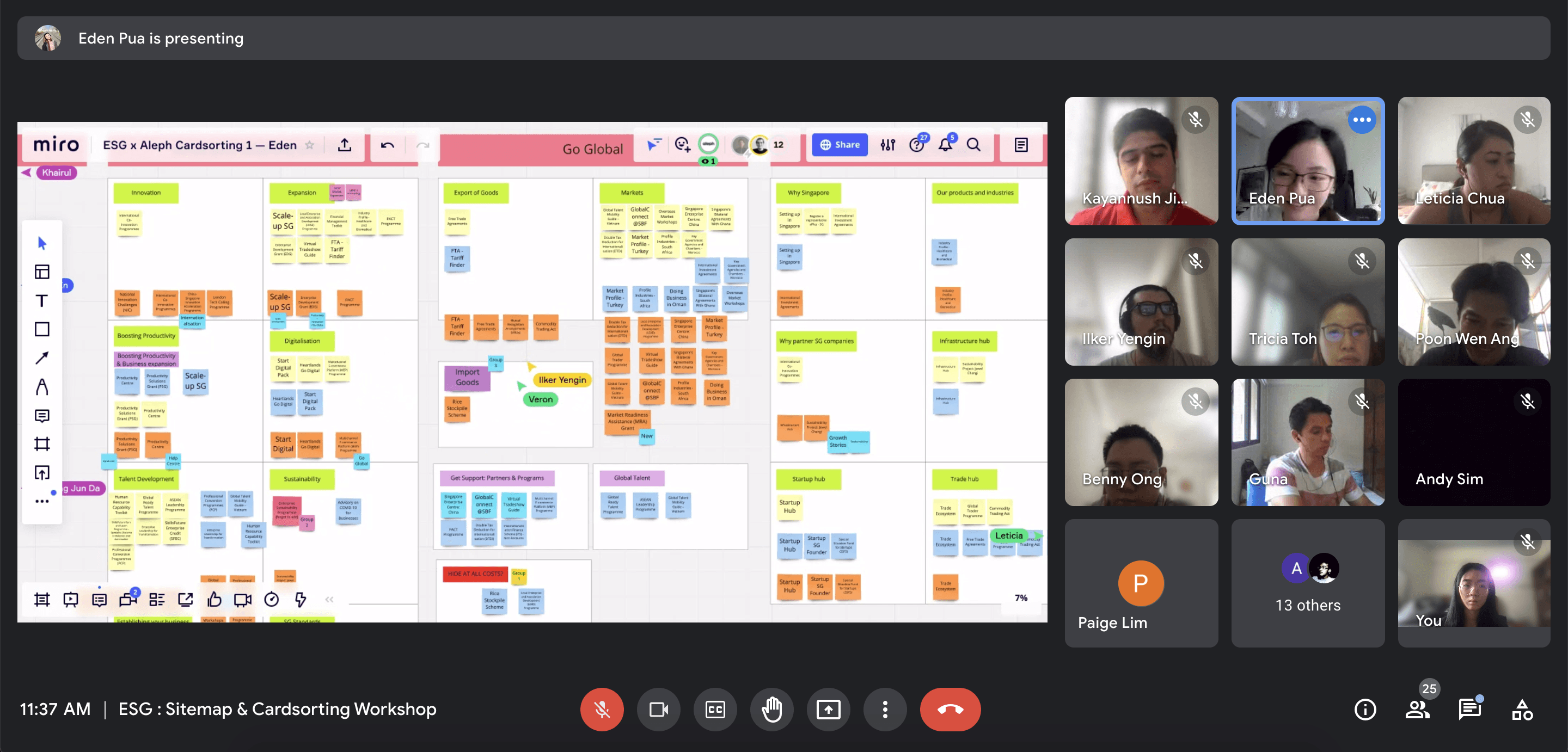
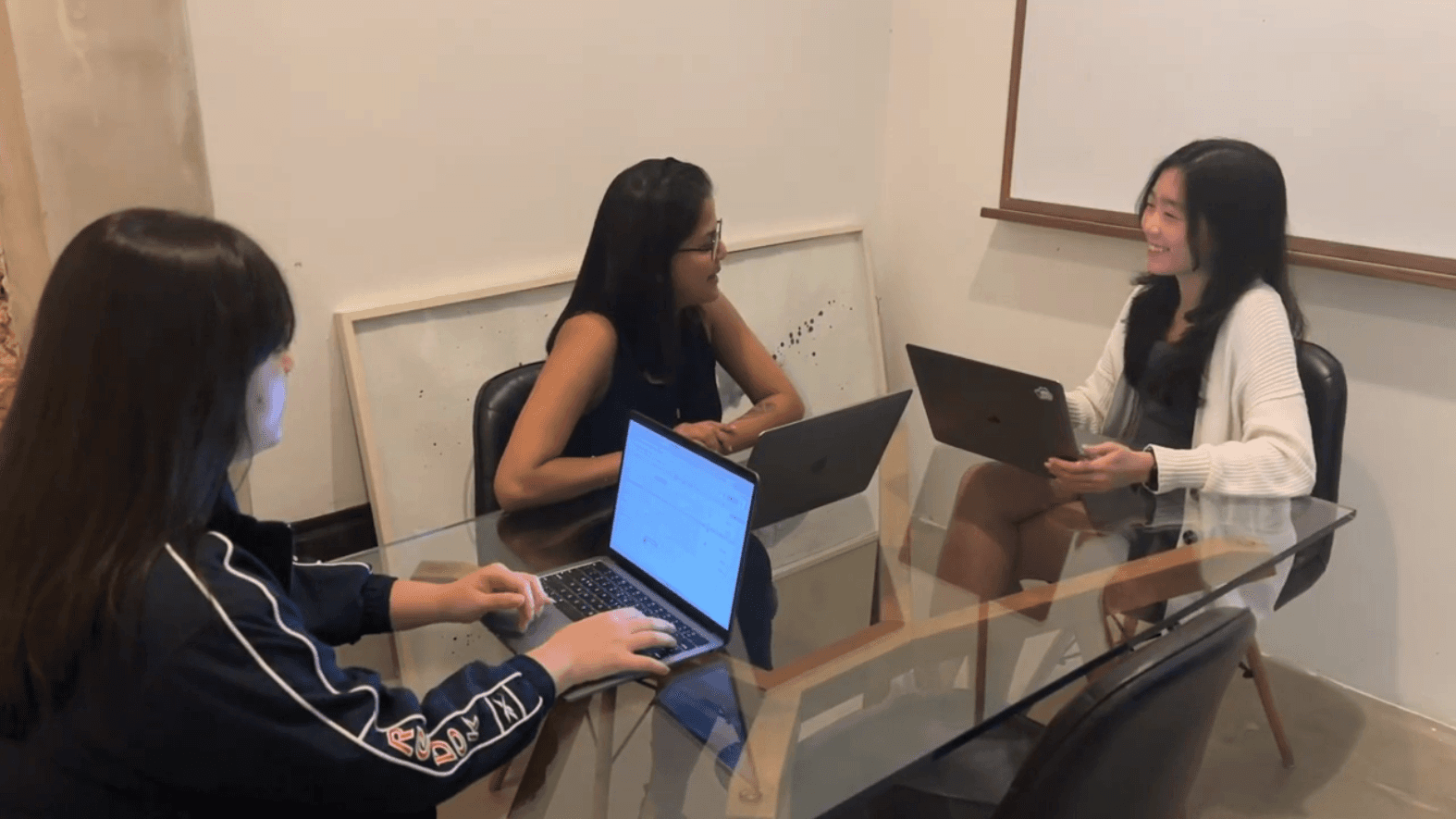
User Interviews
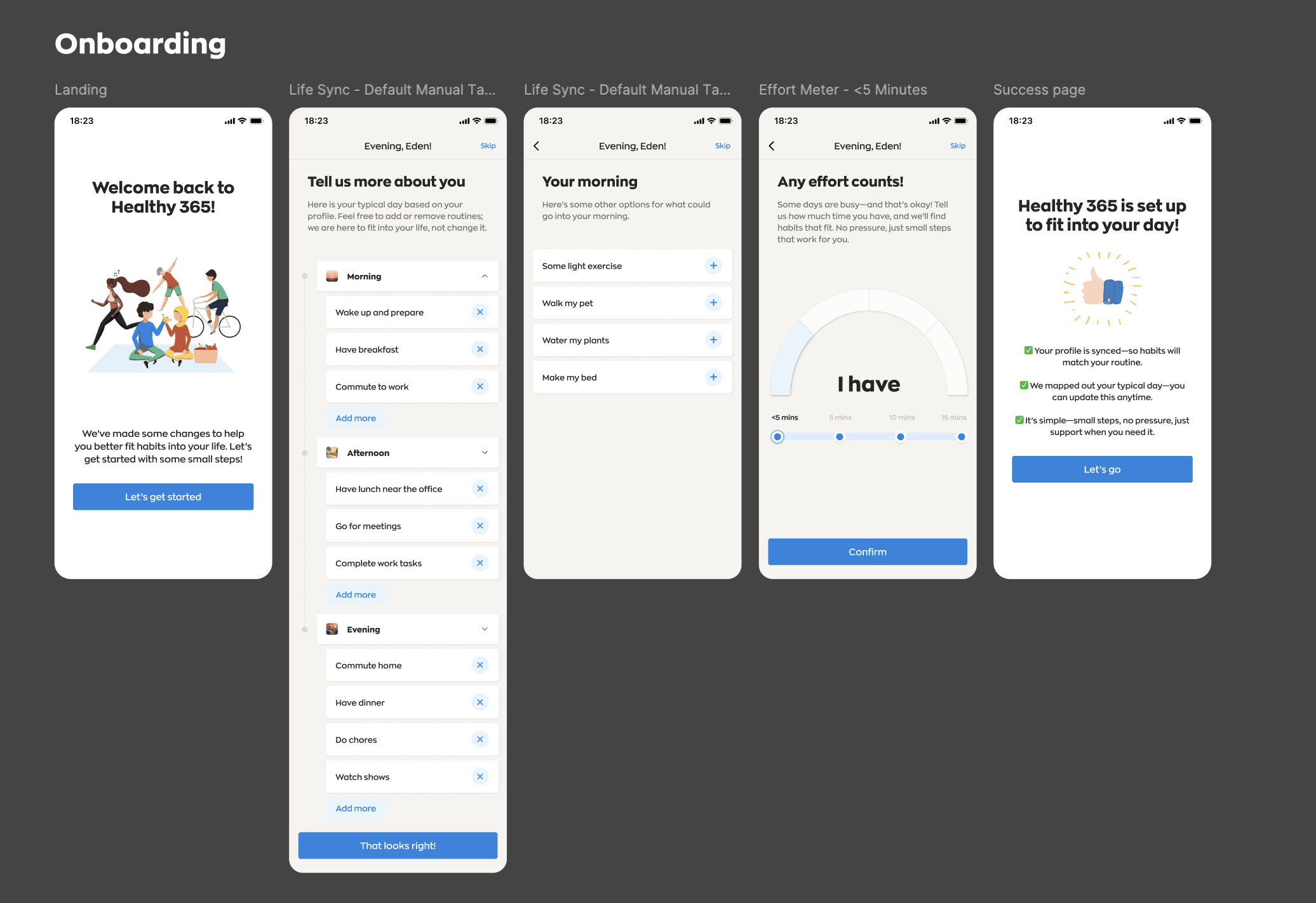
Wireframing
Research Strategy and Decisions
Expanded the research toolkit of internal teams beyond surveys and focus groups, introducing diary studies and contextual interviews for deeper behavioural insights
Evolved assumptions into actionable frameworks, translating high-level personas and assumptions into detailed user journeys and behaviour models to inform strategy
Audited programmes and the Healthy365 app (beyond scope), identifying systemic gaps and untapped opportunities across the broader ecosystem
Synthesised legacy and new research to surface shared pain points and motivations across different target audiences
Visualised insights into early wireframes to translate user needs into tangible design concepts that could be tested and refined
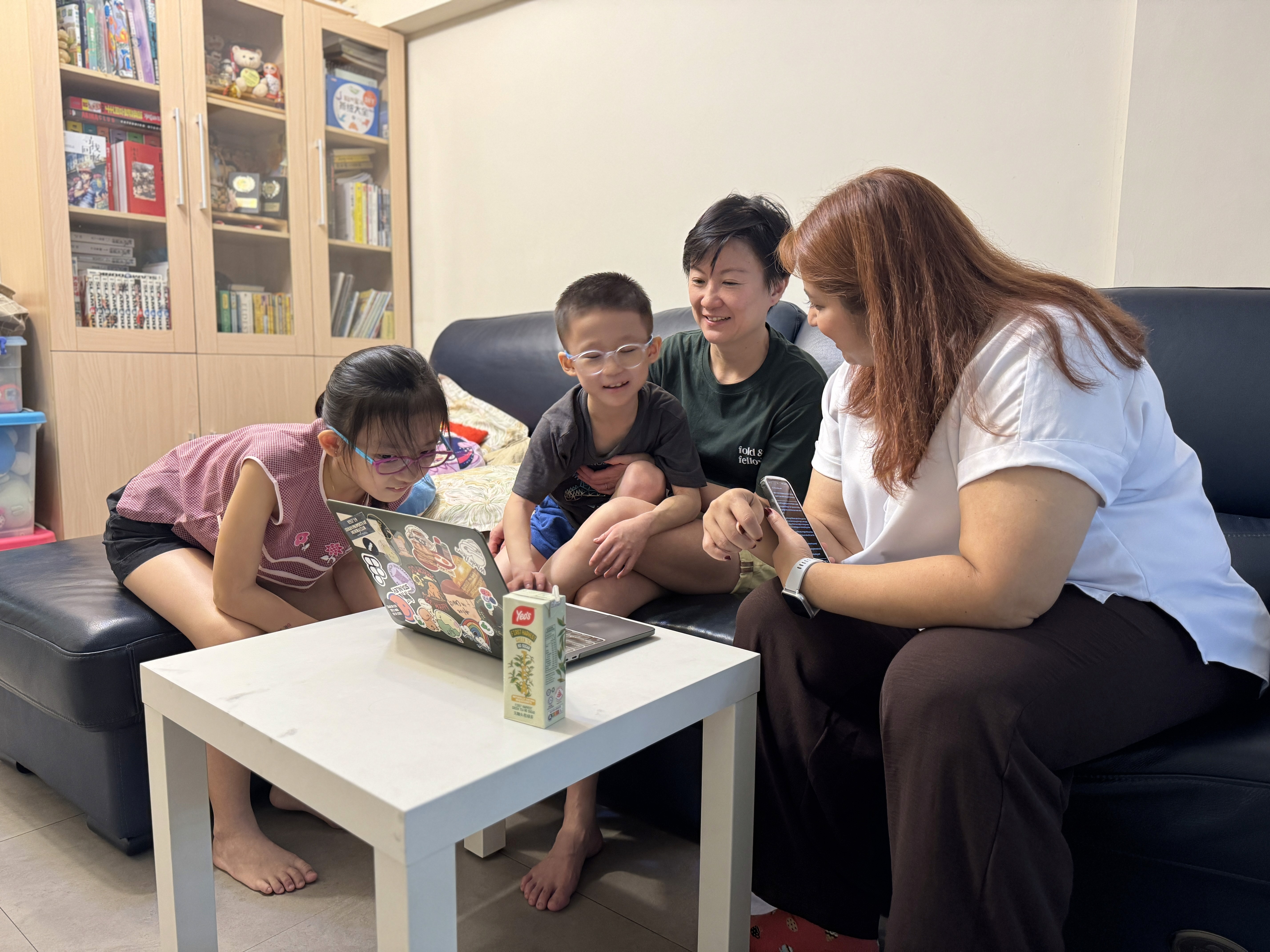
Usability Testing with Families
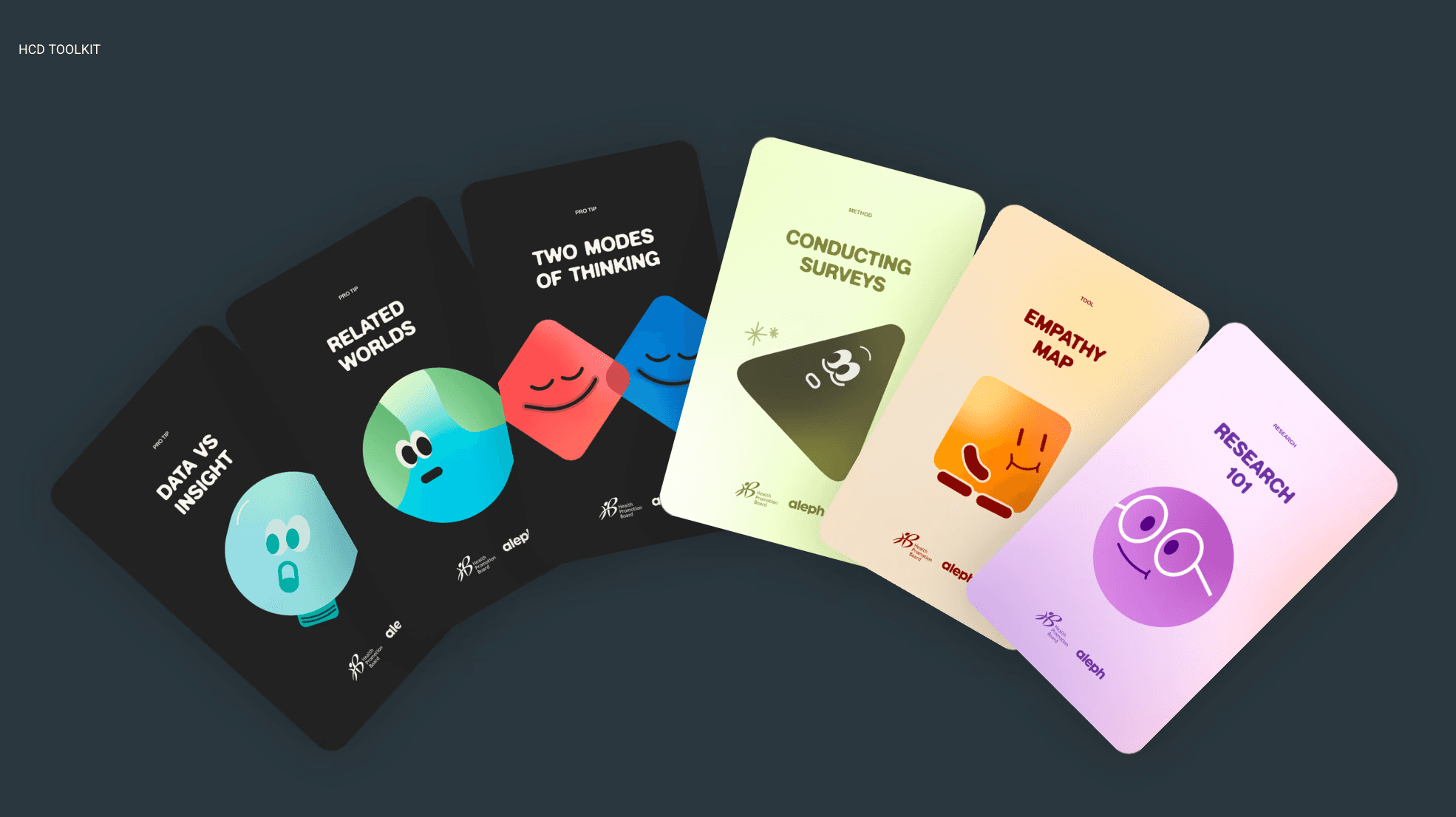
Physical Toolkit for HPB Teams
What We Discovered
1. Emotions drive health decisions more than logic
HPB’s programmes often relied on rational messaging—facts, data, and clinical advice.
But users told us that emotional context—encouragement, reassurance, and empathy—was what motivated or prevented behaviour change.
We guided programme teams to reframe messaging and design tone to sound encouraging, contextualised to users, and human.
→ Users felt supported, not judged—resulting in stronger emotional connection and reduced resistance to habit formation and behavioural change.
2. Internal teams designed from their own experience—not users’ reality
Many teams built initiatives based on their personal assumptions of what Singaporeans needed, often reinforced by leading survey questions. Through our research, we uncovered vast differences in lifestyles, constraints, and motivations influenced by environment and upbringing.
We introduced new frameworks and facilitation models to help teams design from evidence rather than assumption.
→ Teams began applying these methods in their own initiatives, marking a tangible mindset shift toward user-centred decision-making.
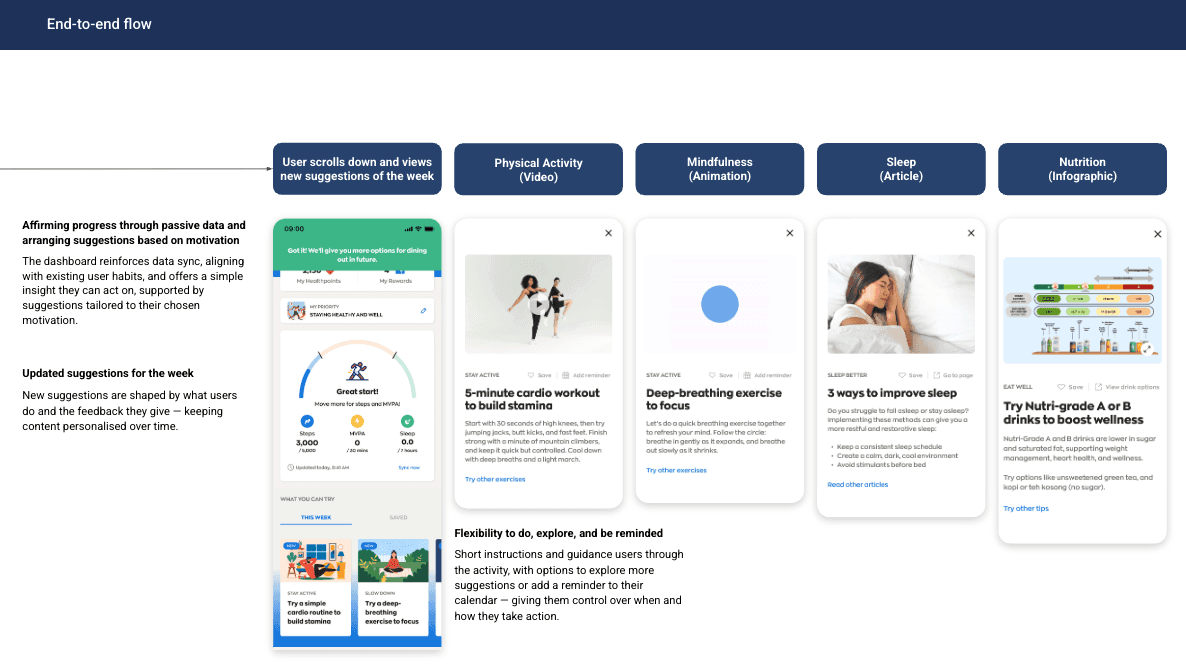
Applying Emotional Resonance to Design
Results and Impact
Programme Outcomes:
iQuit → Reframed strategy from warnings about nicotine to providing timely reassurance and flexible support, as and when they choose to quit
Youth Weight Management → Designed engagement around identity and agency, not compliance
Parent Club → Shifted programme strategy from parent-led to child-led, fostering family-driven, sustainable routines
Integrated Programme → Unified fragmented programmes and tools within the Healthy365 app, supporting continuous, self-driven health engagement
Organisational Outcomes:
Delivered user-validated service concepts and prioritised roadmaps across all four programmes
Upskilled more than 60 HPB staff in research planning, synthesis, ideation, and application
Built the foundation for HPB’s internal HCD playbook, tailored to its public health ecosystem Strengthened collaboration between policy, digital, and programme teams, reducing misalignment and rework
"It has become a very important part of the programme itself, it has made us look deeper into the design to help our users."
Khan Tze | HPB Deputy Director
What I Learned
In environments where human-centred design isn’t yet embedded, research must also educate, empower, and inspire.
At HPB, I learned that research isn’t just about uncovering user needs—it’s also about helping teams see how insight can be a catalyst, not a blocker. Showing the impact of evidence-based design helped shift mindsets that had been stuck in policy-first thinking.